| Version 609 (modified by , 7 months ago) ( diff ) |
|---|


The AstroTechTalk (ger) offers a place to discuss, for all interested colleagues and especially for the technical departments, the project leaders, the administration and the scientists as the ultimately users:
- status of instrumentation projects
- scientific tasks and features of the instruments in construction or planned
- new possible involvements
- technical innovations and developments
- technical problems and their solutions
- logistical problems and their solutions
- how to improve operation and observation
- project standards.
Time: Always Mondays 15:00 - 16:00
Location: MPIA Hoersaal
Outline:
- Announcements (news, visitors, etc.) (mainly in German)
- Talk of about 30 min about a selected topic (German or English, will be announced)
- Follow up discussion and questions (German or English, depending on the speaker)
Proposals for talks: Please send an email to "huber -at- mpia.de" or "naranjo -at- mpia.de" - alternatively you might reach us by phone (06221-528331 or -290) or in person (room 111 or 018) at MPIA.
| Date | Speaker | Topic |
| 17.03.2025 | Jörg F. Wagner (University of Stuttgart) | The SOFIA flying observatory: technology and history SOFIA was an airborne observatory of NASA and DLR for infrared astronomy. It was operated at altitudes of around 13 km, where observation conditions are better than on the ground. A large reflector telescope was installed in the fuselage of a Boeing 747. Compared to satellite-borne observatories, SOFIA's observation instruments could be easily replaced and were directly accessible to scientists in flight. Construction and commissioning of the observatory lasted from 1999 to 2014, with observation operations continuing until 2022. The lecture presents the technology and history of the SOFIA project. Presentation: German Slides: German Questions: German, English |
| 15.09.2025 | Fabian Walter | The next generation of radio interferometers: DSA-2000 and ngVLA The construction of large radio interferometers is planned for the coming years, in particular the DSA-2000 radio camera and the ‘next generation VLA’. These require a new generation of receivers and telescopes, which I will discuss. Both projects are in the planning phase, and the prototypes of both telescopes are currently being built by the German company mtex. The reflectors and turnheads are being manufactured by the company CONCAD in Walldürn, which we will visit as part of this year's company outing. Presentation: German Slides: English Questions: German, English |
| 07.10.2025 | Matt Preston (Sales Director Europe – Teledyne Princeton Instruments and Photometrics) | Teledyne Scientific Imaging – New Cameras and Sensors for Astronomy Teledyne technology (https://www.teledynevisionsolutions.com/de-DE/) is successfully used in a number of astronomical instruments. In his talk, Matt Preston will give an overview on the Large Area Sensor CMOS and new technology developments at Teledyne and their applications in astronomy. Presentation: English Slides: English Questions: English |
| 20.10.2025 | Jens Helmling (CAHA) | Current and future instrumentation at the Calar Alto Observatory |
| 17.11.2025 | ||
| 15.12.2025 |
Preview:
DD.MM.2025 - Speaker: Title
Postview:
Presentations from 12.09. - 31.12.2014
Presentations from 01.01. - 31.07.2015
Presentations from 01.08. - 31.12.2015
Presentations from 01.01. - 31.07.2016
Presentations from 01.08. - 31.12.2016
Presentations from 01.01. - 31.07.2017
Presentations from 01.08. - 31.12.2017
Presentations from 01.01. - 31.07.2018
Presentations from 01.08. - 31.12.2018
Presentations from 01.01. - 31.07.2019
Presentations from 01.08. - 31.12.2019
Presentations from 01.01. - 31.07.2020
Attachments (11)
- instrum8_gr.jpg (82.6 KB ) - added by 12 years ago.
- instrum4_gr.jpg (104.4 KB ) - added by 12 years ago.
- pedv3_gr.jpg (213.9 KB ) - added by 12 years ago.
- alfa3.5.gif (235.6 KB ) - added by 12 years ago.
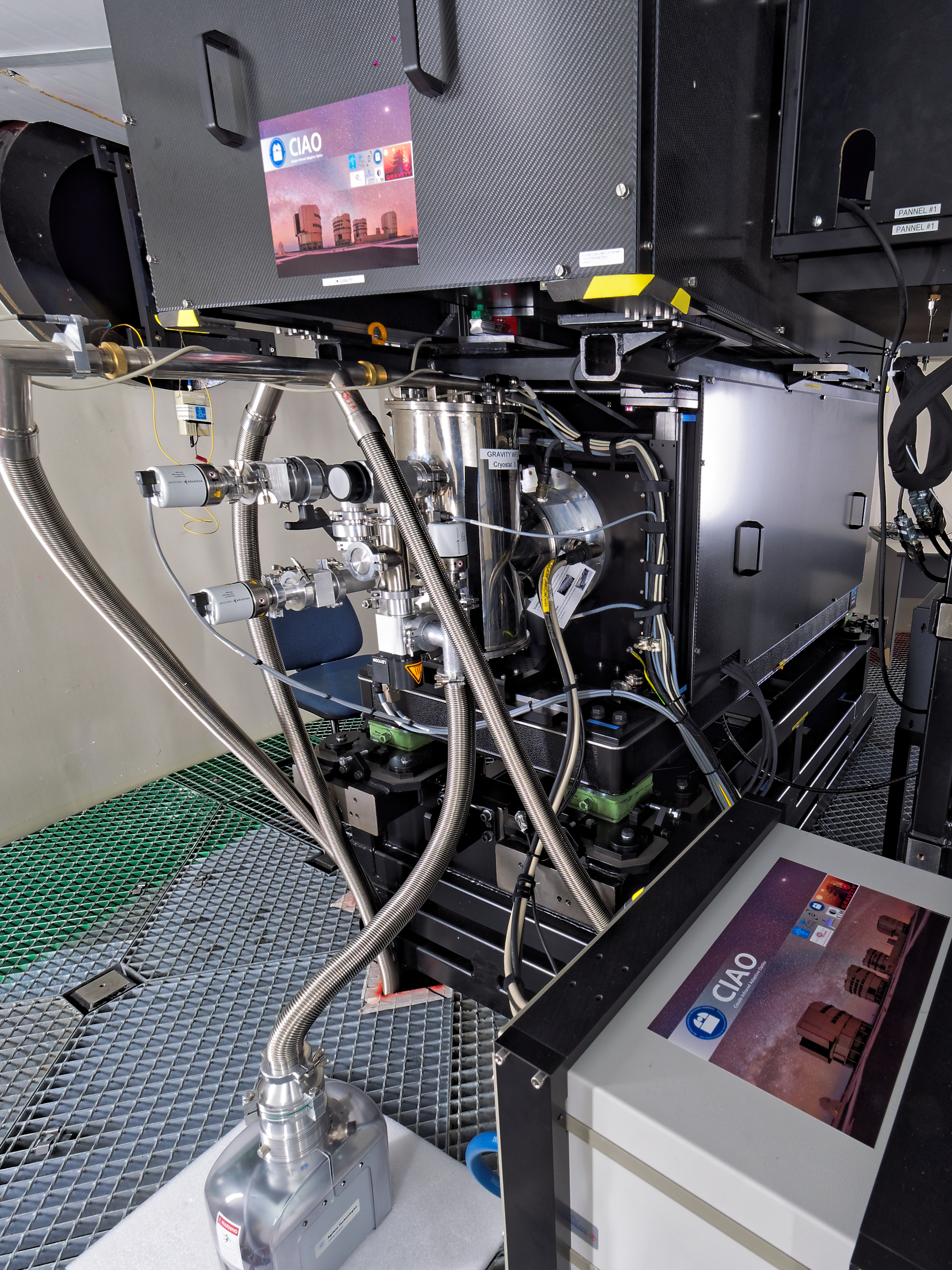
- CIAO.jpg (3.8 MB ) - added by 10 years ago.
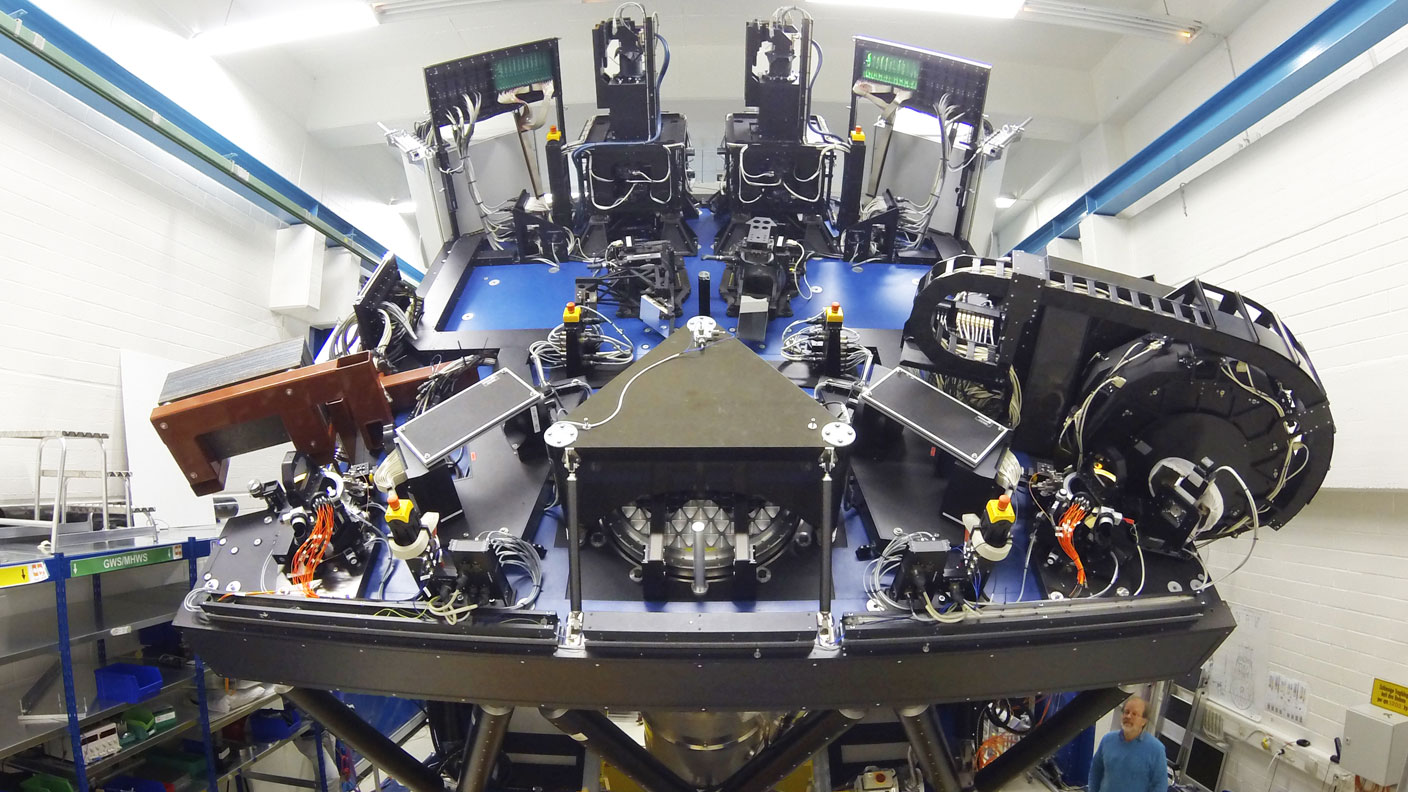
- linc_nirvana_labor.jpg (255.2 KB ) - added by 10 years ago.
- MATISSE.jpg (43.1 KB ) - added by 10 years ago.
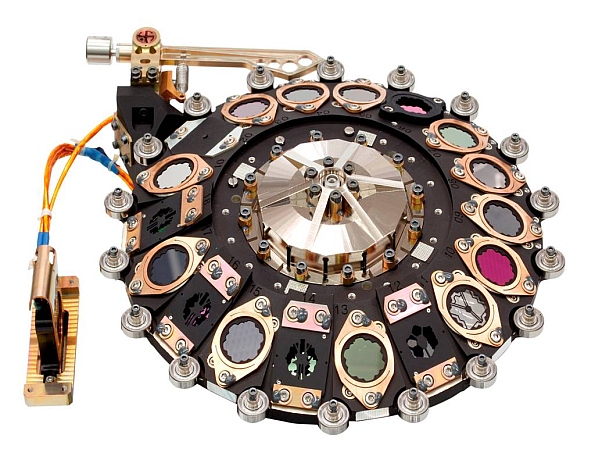
- miri_fm_filterwheel.jpg (145.6 KB ) - added by 10 years ago.
- PACS-Chopper.jpg (80.0 KB ) - added by 10 years ago.
- simple_loop.gif (965.4 KB ) - added by 10 years ago.
- teaser.jpg (13.5 KB ) - added by 10 years ago.